Jump to a section
A preventative maintenance program is a core part of every successful property manager's strategy. It keeps your property in good shape, and it gives you an opportunity to invest in the resident experience.
Below, we cover the basics so you can get started: what preventative maintenance is, the benefits it brings, the key components of a program, and how to streamline your maintenance operations.
Key takeaways
- Preventative maintenance is the regular, planned care of buildings and equipment to prevent problems before they occur.
- A well-maintained community improves the resident experience and helps you attract and retain residents.
- Regular maintenance extends the life of your equipment and costs less than emergency repairs.
- Scheduled maintenance makes your ongoing costs easier to predict and budget.
- A preventative maintenance program should cover building structure, landscaping, HVAC, plumbing, electrical systems, appliances and equipment, pest control, and record-keeping.
- Maintenance software keeps equipment details, recurring tasks, and maintenance reports in one place.
What Is Preventative Maintenance?
Preventative maintenance is the regular, planned care of buildings and equipment to prevent problems before they occur. Unlike reactive maintenance, where you wait for something to break and then fix it, preventative maintenance keeps your property running smoothly and efficiently.
What Are the Benefits of Preventative Maintenance?
Property managers get four main benefits from preventative maintenance.
- Improved resident experience: Preventative maintenance has a direct effect on resident satisfaction. When you handle issues proactively instead of reactively, residents live in a better maintained, more appealing community. They deal with less downtime from problems and see firsthand how invested you are in their satisfaction. That helps you attract new residents, retain current ones, and earn positive reviews.
- Longer equipment life: Proper maintenance extends the life of your building systems and equipment. A regularly maintained HVAC system, for example, can run efficiently for many more years than a neglected one. Taking care of your equipment gets you more value from what you paid for it.
- Cost savings: Unexpected repairs and replacements are expensive setbacks. Repairing a small leak in a plumbing system costs much less than repairing the damage from a burst water pipe. Well-maintained systems also tend to run more efficiently, which can lower utility bills.
- Predictable budgeting: When you plan and schedule regular preventative maintenance, you have a clearer picture of your ongoing costs. Knowing what maintenance is due and when lets you budget more accurately, and fewer surprise repairs keep the budget stable.
What Are the Key Components of a Preventative Maintenance Program?
A preventative maintenance program covers every major system on your property. Use this checklist to plan the areas your program should address.
- Building structure
- Roof inspection
- Foundation inspection
- Exterior painting and sealing
- Gutter cleaning
- Window and door inspection
- Landscaping
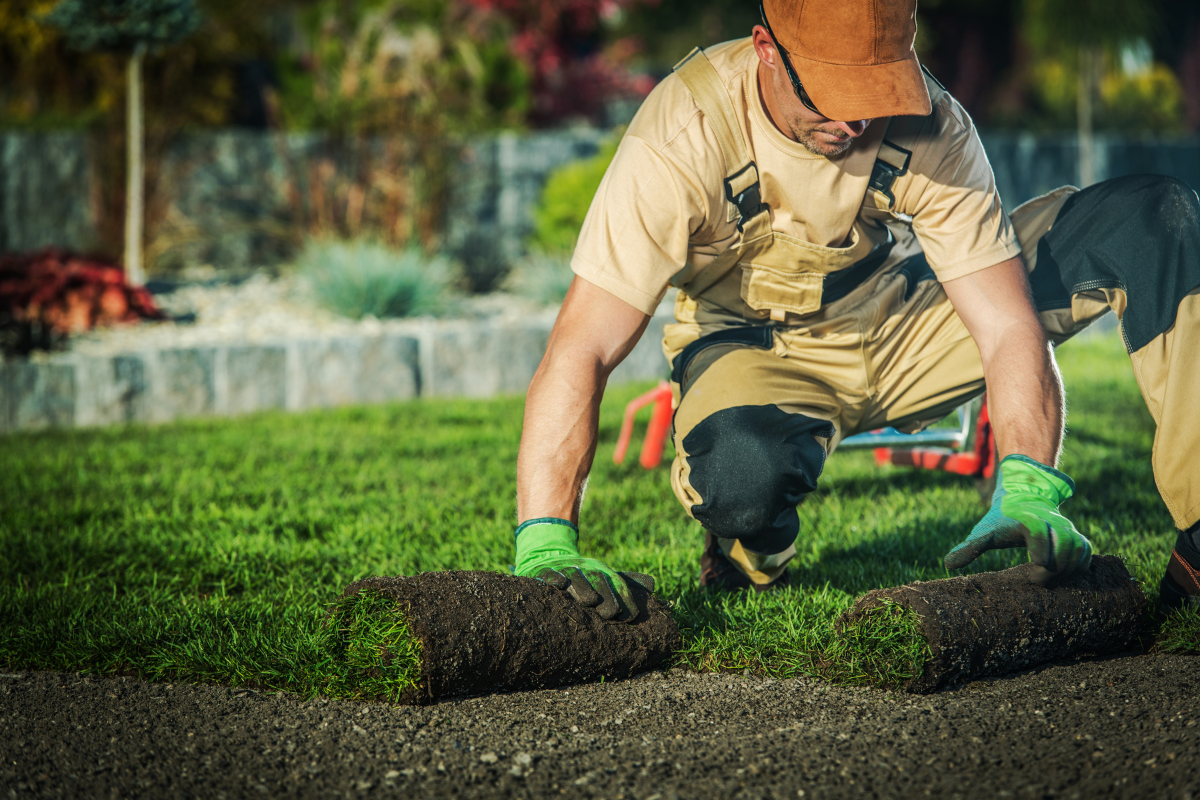
- Lawn and garden care
- Tree and shrub inspection
- Irrigation system maintenance
- Heating, ventilation, and air conditioning (HVAC)
- Filter replacement
- Duct cleaning and inspection
- Coolant level checks
- Plumbing
- Leak detection
- Water heater inspection
- Drain cleaning
- Sump pump inspection (if applicable)
- Electrical systems
- Circuit breaker inspection
- Lighting maintenance
- Grounding system inspection
- Appliances and equipment
- Appliance servicing
- Elevator maintenance
- Fire extinguisher checks
- Security system inspection
- Fire alarm and carbon monoxide checks
- Emergency exit checks
- Fitness center machine and equipment inspection (if applicable)
- Pool maintenance (if applicable)
- Pest control
- Regular inspections
- Preventative treatments
- Record-keeping
- Detailed inspection, repair, and maintenance logs
- Compliance with local building codes and regulations
How Can Property Managers Streamline Their Maintenance Operations?
Once you know what your program covers, the next step is running it efficiently. Maintenance software makes your preventative maintenance more efficient and more accurate, and BuildingLink's maintenance tools keep the details in one place.
The equipment module holds a directory of your building's equipment, such as boilers and elevators, with specs, warranty information, purchase and installation dates, and costs. You can attach manuals and receipts to each item. When you enter an item's installation date, useful life, and replacement cost, the equipment replacement report calculates replacement dates and projected replacement costs by year.
For scheduling, recurring tasks automatically create maintenance requests at the intervals you set for jobs like filter replacement and landscaping. For analysis, maintenance reports show how many requests are linked to each piece of equipment, which helps you spot equipment that may be faulty or due for replacement. With that information in hand, you can make informed decisions and stay ahead of maintenance instead of reacting to it.
Frequently Asked Questions
What is preventative maintenance?
Preventative maintenance is the regular, planned care of buildings and equipment to prevent problems before they occur. Unlike reactive maintenance, where you wait for something to break and then fix it, it keeps your property running smoothly and efficiently.
What should a preventative maintenance program include?
A preventative maintenance program should cover building structure, landscaping, HVAC, plumbing, electrical systems, appliances and equipment, pest control, and record-keeping. That includes tasks like roof inspections, filter replacement, leak detection, fire extinguisher checks, and detailed inspection, repair, and maintenance logs.
What are the benefits of preventative maintenance for property managers?
Preventative maintenance improves the resident experience, extends the life of building systems and equipment, saves money by catching small problems before they become expensive repairs, and makes your maintenance budget more predictable.
How does preventative maintenance help with budgeting?
When you plan and schedule regular maintenance, you know what work is due and when, so you can budget for it accurately. Fewer surprise repairs also keep the budget stable.