Jump to a section
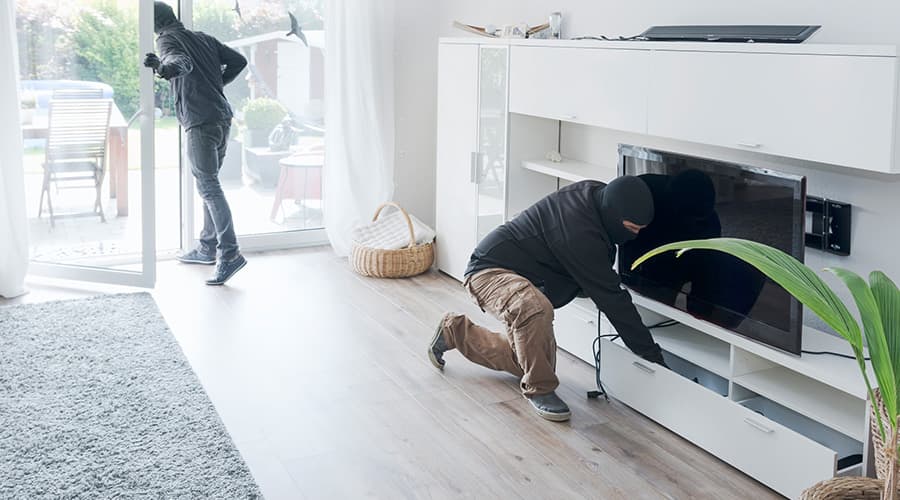
In property management, risk is always present. There are many potential hazards and losses that can affect the safety, profitability, and overall success of a property. AC units need repair, furniture breaks, and electric water heaters rust over time. You can't stop these things from happening, but you can reduce property management risk and keep small issues from becoming larger, more expensive ones.
That's why we're sharing three strategies that help: performing routine inspections and preventative maintenance, training your employees to identify and report hazards, and thoroughly vetting your contractors.
Key takeaways
- Routine inspections and preventative maintenance catch problems before they turn into costly, time-consuming repairs.
- When maintenance records live in several systems or on paper, it's hard to see the status of your building's equipment.
- Every employee, not just maintenance staff, should know how to spot and report hazards.
- Before hiring a contractor, verify their license and insurance, ask for references, and ask to be listed as an additional insured.
- Have your legal team review the indemnification language before you sign a contractor agreement.
Perform Routine Inspections and Preventative Maintenance
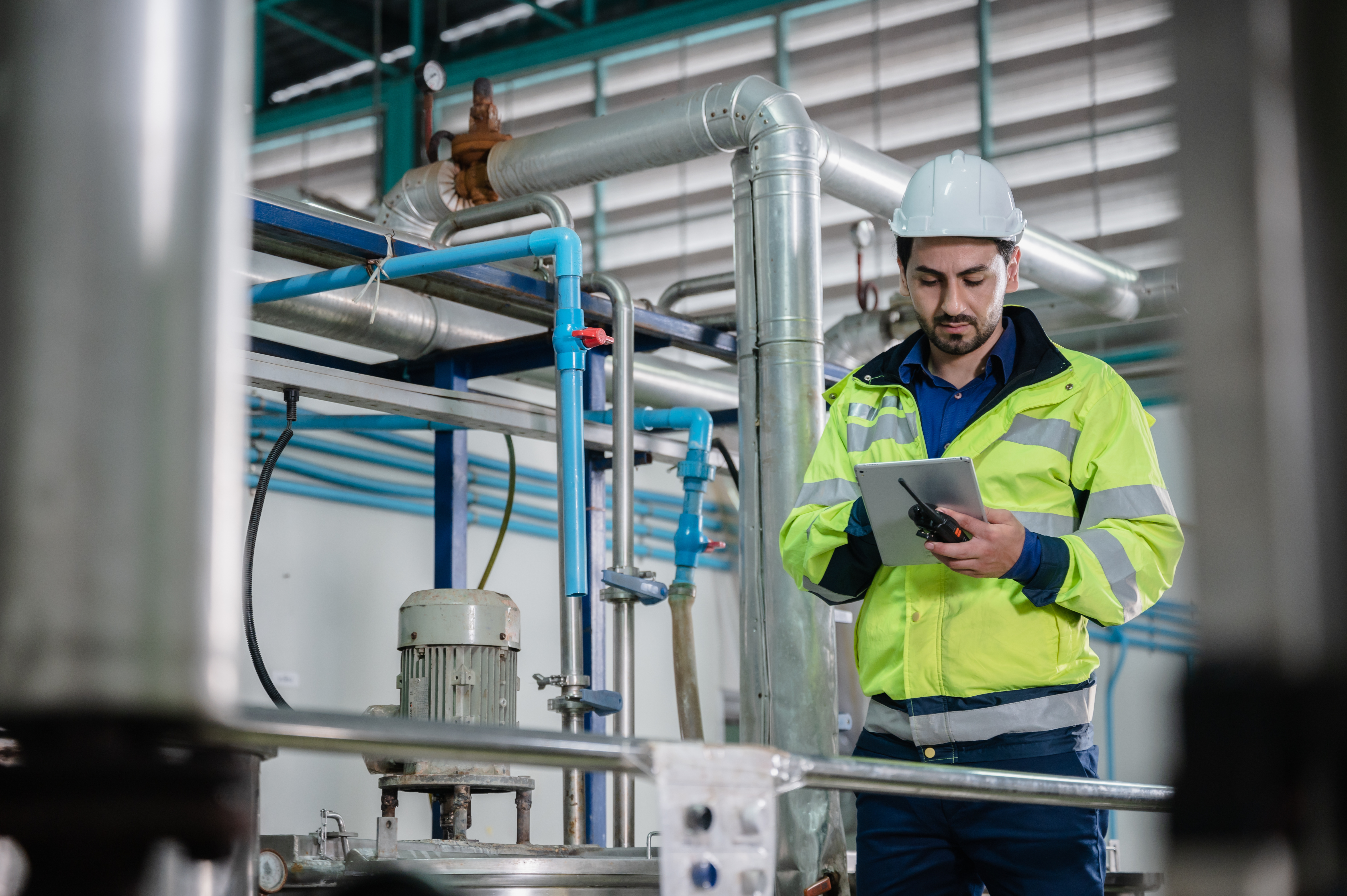
One of the most effective ways to minimize property management risk is a regular inspection and preventative maintenance program. Routine inspections and maintenance tasks help you identify and address potential problems before they escalate into costly and time-consuming issues.
If your property is managed across multiple software solutions or with pen and paper, it can be hard to get a clear picture of the maintenance status of your building's equipment.
Property management software like BuildingLink brings your maintenance information together in one place. You can schedule recurring tasks, assign work to your internal team and outside vendors, and track your property's maintenance needs across different timeframes.
With the inspections module, staff build custom checklists and complete inspections in the field with the GEO by BuildingLink mobile app. Each checklist item has a notes field and can take a photo, and any item that needs follow-up can become a maintenance request on the spot.
You can also keep an equipment directory with purchase dates, costs, and warranty information, and use vendor management tools to track your vendors' licenses and insurance compliance.
Train Your Employees to Identify and Report Hazards
Your maintenance team can't be everywhere at once, and potential hazards can go unnoticed. To lower this risk, create a culture of safety by encouraging all your employees, not just maintenance staff, to identify and report potential hazards or issues. This proactive approach helps you catch problems early and reduces the likelihood of larger losses.
With the incident reports module in BuildingLink, staff submit a report by incident type and mark it minor or severe. They can add the people involved and attach photos or documents. By default, management reviews and approves each report before it's finalized.
Thoroughly Vet Your Contractors
Making sure the contractors who work on your property are reliable, insured, and properly licensed is essential for minimizing your risk exposure. Before hiring a contractor, verify their license status (requirements vary by state) and ask for references if you haven't worked with them before. If possible, ask to be listed on their insurance policy as an additional insured to further protect yourself in case of accidents or negligence.
Hiring a contractor without workers' compensation insurance could leave you responsible for an injured employee's or subcontractor's medical bills, just for hiring someone for a quick fix.
Before signing any contract, have your legal team review the indemnification language and make sure it favors your interests. This added layer of protection can save you from liability and financial losses due to contractor errors or accidents.
Frequently Asked Questions
What are the three ways to mitigate property management risk?
Perform routine inspections and preventative maintenance, train all your employees to identify and report hazards, and thoroughly vet contractors before you hire them.
What should you check before hiring a contractor?
Verify their license status, since requirements vary by state. Confirm they carry insurance, including workers' compensation, and ask for references if you haven't worked with them before. If possible, ask to be listed on their policy as an additional insured.
Why should all employees report hazards, not just maintenance staff?
Your maintenance team can't be everywhere at once. When every employee knows how to spot and report hazards, problems get caught early, before they lead to larger losses.