Jump to a section
Multifamily budgeting gets harder as competition in the multifamily market heats up. Whether you are new to property management or a seasoned expert, you need ways to set your property apart and offer residents something special.
Our guide covers three budgeting considerations that help your operations stay smooth and cost-efficient while you improve life for your residents: property improvements and renovations, the right property management software, and resident culture and experience.
Key takeaways
- Multifamily budgeting covers three areas: property improvements and renovations, property management software, and resident culture and experience.
- Cost-effective renovations start with off-peak scheduling, at least three vendor proposals, and a check for energy efficiency rebates.
- Software is a larger budget line, so choose a platform you can configure to your property's needs and that scales with its size.
- Look for software that covers record-keeping, maintenance, communications, front office support, and resident experience tools.
- Regular upkeep prevents costlier repairs later, so budget for preventative maintenance.
- Resident events and local business partnerships build community without a large budget.
Multifamily Budgeting for Property Improvements and Renovations
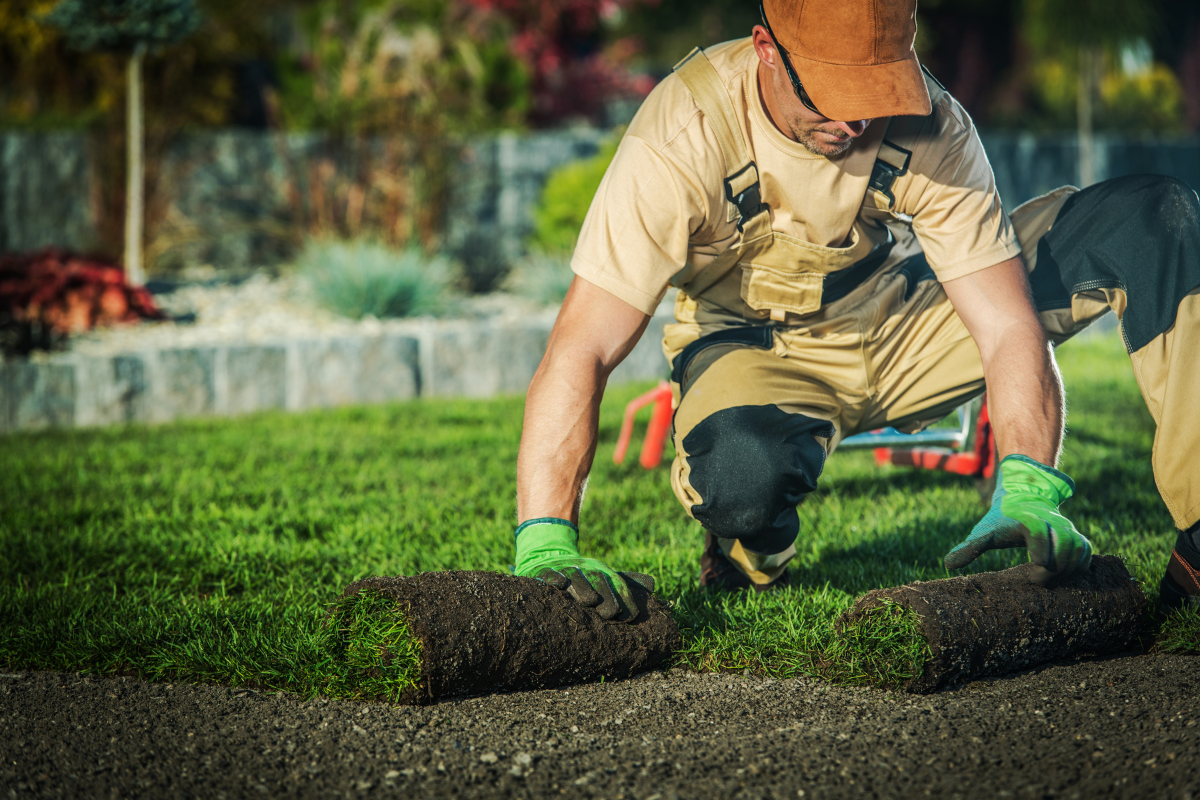
More multifamily apartment homes are being built with modern amenities, so property managers should consider improvements and renovations of their own. Residents want updated kitchen finishes, energy-efficient appliances, and shared spaces such as fitness centers, pools, fire pits, and pet areas like dog runs and pet washing stations. Updates like these can improve your property's appeal and support resident satisfaction and retention.
Focus on improvements that are cost-effective. Plan renovations during off-peak seasons to save on contractor costs, and gather at least three proposals for each service so you can compare vendors side by side. Weigh cost, reputation, and references. Even if a bid is lower, you might choose a provider known for exceptional work.
If you are upgrading to energy-efficient appliances or fixtures, check for energy efficiency rebates. You can look up the programs available in your area.
Regular upkeep also prevents costlier repairs later. For more on budgeting for preventative maintenance, read our post, How to Budget for Maintenance in Multifamily Housing.
Common property improvements and renovations
| Area | Examples |
|---|---|
| Kitchen upgrades | Installing countertops, cabinets, and energy-efficient appliances. Modernizing fixtures and lighting. |
| Bathroom renovations | Installing new vanities, faucets, and showerheads. Updating tile or flooring. |
| Interior common spaces | Upgrading or adding a fitness center. Creating a communal lounge or co-working space. |
| Outdoor amenities | Creating attractive outdoor common areas through landscaping. Adding a community grilling area, garden, or fire pit. |
| Energy-efficient improvements | Upgrading to energy-efficient windows and doors. Installing smart thermostats. |
The Right Property Management Software
Property management software can bring much of your multifamily management work into one place, from resident information and administration to concierge and front office operations. It can also automate routine tasks, which helps your staff manage a busy front desk.
Software is one of the larger line items in a property management budget, so choose a platform you can configure to your property's specific needs. Ask whether it offers solutions that scale with your property's size and requirements.
These are the areas to look for in a property management platform.
- Record-keeping and administration: resident directory, document library, employee time tracking, and analytics and reports.
- Maintenance solutions: maintenance requests and work orders, inspections, preventative maintenance, and an equipment directory.
- Communication tools: email templates and distribution, SMS and voice broadcasting, and event calendars.
- Concierge and front office support: package tracking, incident reporting, visitor and contractor tracking, and key management with KeyLink, an add-on.
- Resident experience capabilities: amenity reservations, bulletin board, and payments.
Resident Culture and Experience
A strong resident culture helps you retain residents, makes them feel at home, and supports your property's reputation. You can build one without a large budget. Two approaches work well together.
- Use software to keep residents informed and engaged. Your platform should let you send communications to residents easily. Amenity reservations let residents book shared spaces, which can help them build stronger bonds with the property and the community.
- Organize community events and partner with local businesses. Invite residents to help plan and host events, which gets them more involved in the community. Potluck dinners and game nights are fun without breaking the bank. Partnering with neighboring businesses can let you offer residents exclusive discounts or services, which strengthens their ties to your property and the local community.
Budget-friendly ideas to build a positive resident culture
- A community garden with resident plots
- Potluck dinners
- Fitness classes
- Movie nights
- Community volunteering
- Book clubs
- Board game nights
- Neighborhood yard sales
- Pet playdates
Frequently Asked Questions
What should a multifamily property budget include?
Our guide covers three considerations: property improvements and renovations, the right property management software, and resident culture and experience. Each helps operations stay smooth and cost-efficient while improving life for residents.
How can you keep multifamily renovation costs down?
Plan renovations during off-peak seasons, gather at least three proposals for each service, and compare cost, reputation, and references. If you are upgrading to energy-efficient appliances or fixtures, check for energy efficiency rebates in your area.
What should multifamily property management software include?
Look for record-keeping and administration, maintenance solutions, communication tools, concierge and front office support, and resident experience capabilities such as amenity reservations and payments. Choose a platform you can configure to your property's needs.
How can you build a positive resident culture on a small budget?
Use software to send communications and offer amenity reservations, organize low-cost community events such as potluck dinners and game nights, and partner with neighboring businesses to offer residents exclusive discounts or services.